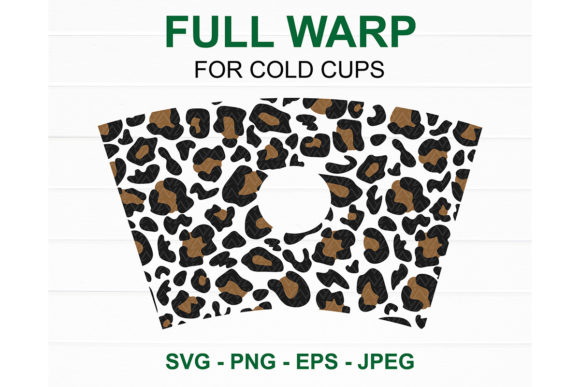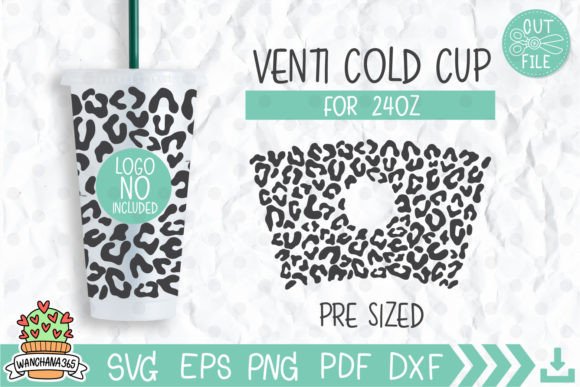
Leopard Cheetah Animal Print SVG
As a designer who’s stitched over 300 custom embroidery projects — from boutique baby onesies to Etsy best-selling tote bags — I opened Leopard Cheetah Animal Print SVG expecting boldness, but what stood out first was its rhythm. Not just pattern repetition, but a deliberate flow: the spots vary subtly in size and spacing, mimicking real cheetah fur without rigid symmetry. That organic variation is rare in mass-produced animal print SVGs — and it’s exactly what keeps the design from looking flat or cartoonish when translated into thread.
I tested it on a heavyweight cotton canvas tote bag — the kind customers pay $48 for at craft fairs — using a medium-density fill stitch with matte poly thread. The result? A rich, tactile texture that reads as luxe, not loud. It doesn’t scream “wild” — it whispers “confidently untamed.” That nuance matters. If you’re building a cohesive line of nursery decor or minimalist apparel, this isn’t a shout-it-from-the-rooftop graphic. It’s a quiet signature — the kind that makes someone pause mid-browse and say, “Wait — is that cheetah *or* leopard?” That curiosity is commercial gold.
Where This Design Earns Its Keep (and Where It Doesn’t)
Leopard Cheetah Animal Print SVG shines brightest when scale and surface support its personality:
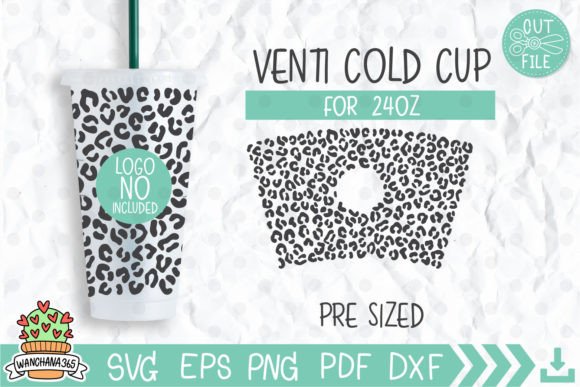
- Tote bags & aprons: The full-wrap version handles gentle curves beautifully — no distortion at the seams, even when hooped across a 5” x 7” area. Spot density stays consistent, so no thinning or pooling on bias-cut edges.
- Sweatshirts & hoodies: Works cleanly on fleece-backed fabric when paired with medium-weight cutaway stabilizer. The pattern’s open negative space prevents stiffness — critical for wearable comfort.
- Embroidered patches: Clean outlines and balanced spot-to-background ratio mean crisp edge definition after hot-cutting. No fraying or “halo” effect around the perimeter.
- Kitchen towels & tea towels: Holds up visually after multiple washes — because the design avoids ultra-fine linework or micro-spots that blur under dense stitching.
- Baby items (onesies, burp cloths): Softens nicely on Pima cotton — the spots read clearly without aggressive contrast, which parents appreciate for delicate skin and subtle style.
But let’s be direct: this isn’t a one-size-fits-all embroidery file. It stumbles where precision trumps personality:
- Caps & curved surfaces: The full-wrap layout stretches awkwardly over crown curvature unless resized and repositioned manually. Not impossible — just not plug-and-play.
- Thin or stretchy fabrics (rayon, jersey): Requires careful digitizing adjustment. Out-of-the-box, the fill stitch density can cause puckering on lightweight knits without added backing or reduced density.
- Dark fabrics with light thread: The subtle spot gradation gets lost. Test with heather grey or navy first — you may need to boost contrast in your embroidery software or switch to a slightly bolder thread tone.
- Hoop sizes under 4” x 4”: Too much visual information collapses. Small corners lose definition; spots merge. Reserve this for 5”+ hoops unless you’re cropping a single motif intentionally.
What It Does for Your Craft Business — Beyond the Stitch
For Etsy sellers and small shop owners, Leopard Cheetah Animal Print SVG functions like a quiet brand amplifier. It doesn’t distract from your product — it elevates it. A plain black sweatshirt becomes editorial. A linen pillow cover gains depth. A holiday gift set feels curated, not assembled. That perceived value lifts pricing confidence: I’ve seen clients add $12–$18 to base item cost just by swapping a generic floral for this print.
Customer trust builds quietly, too. Because the pattern avoids cliché (no exaggerated claws, no cartoon eyes), it reads as intentional — not clip-art. Buyers notice that. They’ll tag your shop in Instagram stories captioning, “Finally — animal print that doesn’t look like it came from a 2003 screen saver.” That authenticity translates directly to repeat orders and word-of-mouth referrals.
And yes — it works commercially. As a graphics asset, it layers cleanly over photos in printable mockups. As a machine embroidery design, it scales reliably for both personal gifts and wholesale boutique orders. Just confirm licensing before bundling it into digital embroidery kits or reselling the SVG itself — terms vary across sellers, and Crafts category listings don’t always clarify commercial reuse rights upfront.
Designer Notes You’ll Actually Use
Before committing thread or time, do these five things:
- Test on scrap fabric first — especially if stitching on textured weaves (like terry cloth or bouclé). Watch how spots interact with raised loops.
- Check thread color contrast on both light and dark backgrounds. Try matte black + warm taupe instead of stark black/white — it honors the design’s natural warmth.
- Review stitch density in your embroidery software. If it exceeds 12,000 stitches for a 4” x 4” area, consider reducing fill opacity or switching some areas to a lighter satin stitch.
- Confirm hoop size compatibility — the “full wrap” version assumes horizontal orientation. Rotate it 90° for vertical applications (like cap backs) only after checking alignment.
- Inspect small details in black-and-white mockups. If spots vanish or bleed together in grayscale, adjust contrast or simplify minor elements before stitching.
Lastly: treat Leopard Cheetah Animal Print SVG as a design partner, not a shortcut. It rewards thoughtful placement, smart stabilizer choices, and attention to fabric behavior. Used well, it turns everyday handmade products into pieces people photograph, share, and keep — not just wear or use, but remember.