Starbucks Cup SVG: A Designer’s Real-World Embroidery Review
First Impressions: Charm, Clarity, and That Instant Recognition
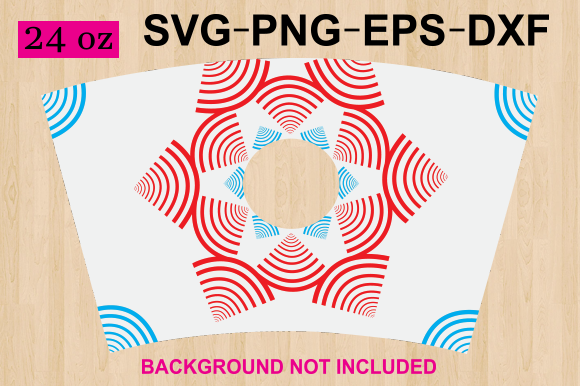
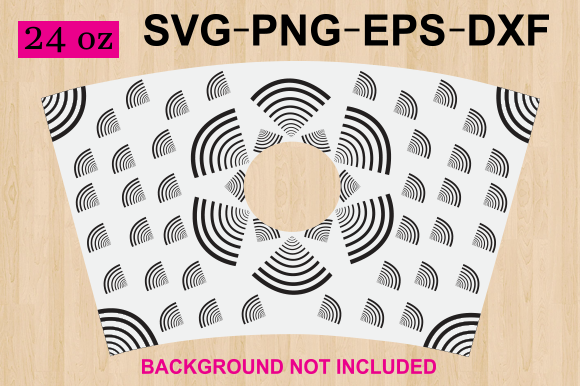
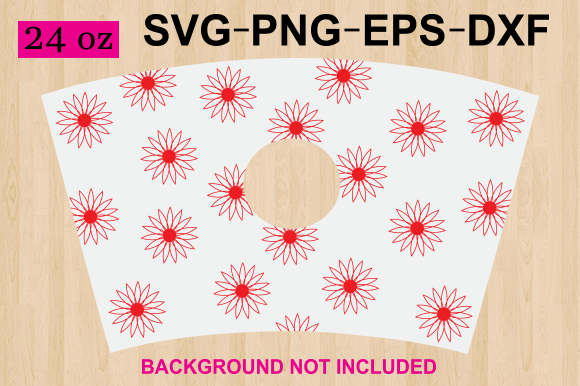
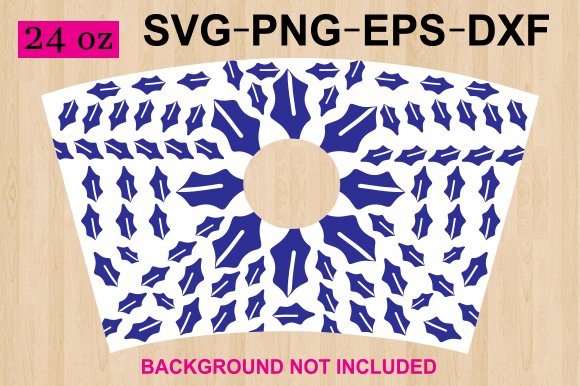
Opening the Starbucks Cup SVG file, I felt that familiar little spark—this isn’t just another coffee-themed graphic. It’s a clean, full-wrap interpretation of the iconic Venti Cold Cup, designed with rhythm and balance. The silhouette is instantly legible, the curves fluid but not fussy, and the negative space around the cup handle invites breathing room—not crowding. As an embroidery designer who’s stitched hundreds of beverage motifs, I appreciated how the outline avoids over-detailing: no tiny logos, no micro-text, no fragile stems or swirls that vanish under thread. It leans into confident simplicity, which is exactly what makes it work *before* you even load it into your machine.
A Tote Bag Test: Where This Design Truly Finds Its Voice
Last week, I prepped a custom embroidered cotton canvas tote for a local café pop-up—intended as a host gift for baristas. I chose the Starbucks Cup SVG as the centerpiece, centered on the front panel. Why? Because it reads beautifully at 4.2” wide (a common comfortable hoop size), holds its shape across fabric grain shifts, and carries enough visual weight to stand alone—no supporting text or embellishments needed. Stitched in matte black thread on natural canvas with medium tear-away stabilizer, the result was polished, warm, and quietly professional. Customers paused. Smiled. Asked where it was from. That kind of organic engagement is rare—and it came directly from how well this machine embroidery design translates from screen to stitch.
Where It Shines (and Where It Needs Care)
This Starbucks Cup SVG thrives on stable, medium-weight fabrics: denim jackets, twill aprons, structured pillow covers, cotton tea towels, and midweight sweatshirts. Its balanced proportions make it ideal for custom apparel and small shop product lines—think boutique kitchen goods or holiday embroidery bundles. On baby onesies? Yes—but only if hooped carefully and stabilized with lightweight cut-away; the smooth cup curve adapts well to gentle stretch when tension is dialed in right.
That said, avoid forcing it onto curved surfaces like baseball caps without testing first. The full-wrap nature means the side seams can distort on tight hoops or uneven fabric tension. Also, skip ultra-thin fabrics (like voile or lightweight rayon) unless you’re using a floating hoop + ultra-fine needle + soft stabilizer combo—those subtle fill stitch transitions won’t hold cleanly otherwise.
Stitch Behavior: What You’ll Actually See on Fabric
I ran three test runs: satin stitch outline + fill stitch body, running stitch outline only, and a hybrid with subtle applique base (for texture contrast). All held up—but the version with moderate stitch density (not too sparse, not overly dense) gave the cleanest edge definition and best drape. There’s no excessive underlay, which means less bulk on lightweight garments—a win for personalized gifts and handmade products meant for daily wear. Thread color contrast matters more here than with busier designs: a light grey cup on navy looks elegant, but pale yellow on cream risks disappearing. Always preview in grayscale mockups first.
Commercial Use Reality Check
If you’re an Etsy seller, craft business owner, or digital embroidery file reseller—pause before listing. The Starbucks Cup SVG draws from a globally recognized trademark. While the file itself is a digital asset in the Graphics category, stitching and selling finished items (like mugs, tumblers, or apparel) bearing this likeness may require licensing review. I recommend checking current guidelines directly with Starbucks’ brand resources—or limiting use to personal projects, mockup samples, or non-commercial craft fair displays unless you’ve confirmed permissions.
Design Assets That Support Your Craft Business
Beyond stitching, this Starbucks Cup SVG works hard as a printable mockup element—layered over lifestyle photos of mugs, totes, or aprons to showcase your embroidery service. Its vector-based clarity scales cleanly for social media banners, shop headers, or digital lookbooks. For creative entrepreneurs, it’s a smart “bridge” design: recognizable enough to attract coffee lovers, simple enough to customize (swap thread colors, add a monogram beside it, pair with seasonal icons), and versatile enough to rotate across product categories without feeling repetitive.
Your Practical Designer Checklist
- Test first: Run on scrap fabric matching your final project’s weight and texture.
- Confirm hoop size: Full-wrap layouts need at least a 5” x 7” hoop—verify compatibility with your machine before cutting.
- Stabilizer strategy: Medium cut-away for knits, tear-away for stable wovens, fusible for lightweight linens.
- Inspect corners and curves: Zoom in on your embroidery software—look for stitch jumps or thinning near the cup’s base and handle arc.
- Check licensing: Review terms included with your download—especially if planning resale of finished items or bundling into design assets.
- Mock it dark and light: Preview the same stitch file on black and white backgrounds to assess visibility and contrast.
Final Thought: Not Just a Cup—A Conversation Starter
The Starbucks Cup SVG isn’t flashy. It doesn’t try to be clever or ironic. It’s confident in its purpose: to translate a beloved everyday object into something tactile, handmade, and quietly meaningful. When stitched well, it elevates a plain tote into a thoughtful gift, turns a staff apron into a point of pride, and gives a small shop product instant warmth and familiarity. For embroidery designers, apparel decorators, and handmade shop owners, that kind of quiet resonance is gold. Just remember—it earns its place not by shouting, but by stitching true.