Reindeer Names SVG: Dasher & Funny Christmas Charm
As a designer who’s stitched hundreds of holiday projects—from boutique baby onesies to Etsy best-selling tote bags—I opened Reindeer Names Svg, Dasher Svg, Funny Ch expecting playful energy and got exactly that. But charm alone doesn’t stitch well. So I tested it on a real project: a set of personalized linen tea towels for a local gift shop’s Christmas launch. Here’s what held up—and where you’ll want to pause before pressing “embroider.”
First Impressions: Whimsy with Purpose
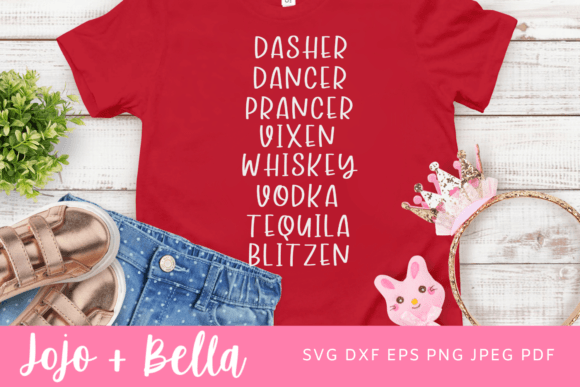
The design lands as cheerful, not chaotic. “Dasher” dominates in bold, slightly rounded lettering—friendly enough for kids’ apparel but clean enough for modern aprons or minimalist sweatshirts. Smaller reindeer-themed accents (like antler flourishes or tiny hooves) nestle beside the name without crowding. It’s clearly built for embroidery—not just vector art repurposed for stitching. The spacing between letters feels intentional, not cramped, which is huge when you’re working with satin stitch on cotton twill or lightweight knits.
This isn’t a dense fill-stitch monstrosity. It breathes. That means less thread buildup, fewer skipped stitches on textured fabrics, and better drape on garments like baby rompers or unlined pillow covers. As a machine embroidery design, it leans into readability over ornamentation—a smart call for small business owners juggling speed, quality, and customer expectations.
Where It Shines (and Why Your Customers Will Notice)
I stitched Reindeer Names Svg, Dasher Svg, Funny Ch onto three very different items: a medium-weight organic cotton tote, a fleece-lined sweatshirt, and a 100% linen kitchen towel. On all three, the design read instantly at arm’s length—no squinting, no “what does that say?” moments. That clarity boosts perceived value. A shopper browsing your Etsy shop or craft fair table doesn’t need to lean in to get the joke or recognize the reindeer theme—they feel the warmth right away.
It works especially well for personalized gifts. Swap “Dasher” for “Donner,” “Blitzen,” or even a child’s name, and the rhythm stays intact. That flexibility makes it strong design assets for holiday collections—think matching embroidered caps and patches for staff, or a coordinated set of nursery decor pieces (wall hangings + onesies + burp cloths). For small shop product development, that versatility saves time and builds brand consistency across SKUs.
And yes—it holds up in commercial embroidery. No micro-details that vanish at 3x scale. No overlapping outlines that cause thread nesting. Just confident lines, balanced negative space, and proportions that translate cleanly from screen to fabric.
Where to Proceed With Care
That said, this isn’t a one-size-fits-all embroidery file. On stretchy fabrics like jersey tees or thin baby rib knit, I added light cutaway stabilizer *under* the hoop—not just on top—and slowed my machine speed by 15%. Without that, the “D” in Dasher showed slight distortion on the curve. Not deal-breaking, but noticeable enough to warrant testing first.
On dark fabric? The design relies on contrast. If you’re using light thread on navy terry cloth or charcoal fleece, make sure your satin stitch density isn’t too low—otherwise edges can look fuzzy. And if you’re planning to layer it over another design (say, a snowflake motif on a pillow cover), check how much overlap occurs in the corners. Some versions of Reindeer Names Svg, Dasher Svg, Funny Ch include optional antler brackets—those extend outward and may push your hoop boundary on smaller items like toddler caps or wristlet patches.
Also worth noting: while it’s labeled as a Christmas tumbler svg and Chrismtas shirt svg, remember—SVG is vector art, not an embroidery-ready file format. You’ll need to digitize it properly or confirm the seller included pre-digitized embroidery files (DST, PES, etc.). Don’t assume. Always verify before cutting fabric or listing on Etsy.
Practical Designer Notes You’ll Actually Use
- Test on scrap first—especially if using textured fabric like burlap tea towels or quilted aprons.
- Check thread color contrast on both light and dark backgrounds. A warm cream thread reads differently on oatmeal linen vs. black cotton.
- Review stitch density in your embroidery software. If it’s under 8,000 stitches, it’s likely optimized for speed and wear—but double-check fill areas for potential pilling over time.
- Confirm hoop size before hooping. Some layouts run wide; others fit neatly in a 4x4. Know your limits.
- Inspect small details in black-and-white mockups. Does “Dasher” still pop when stripped of color? It should.
- Use proper stabilizer—tear-away for stable wovens, cutaway for knits, and fusible for lightweight silks or rayon blends.
- Verify licensing. Since this falls under Graphics and Crafts, confirm whether personal use, small business resale, or digital redistribution is permitted. When in doubt, email the seller.
Final Thought: A Reliable Spark, Not a Standalone Solution
Reindeer Names Svg, Dasher Svg, Funny Ch won’t carry your entire holiday collection—but it’s the kind of digital embroidery file that elevates a simple item into something memorable. It’s the difference between “a plain tote bag” and “the one with Dasher winking from the corner.” That subtle lift matters—for customer trust, for handmade presentation, and for repeat buyers who remember your thoughtful details.
For Etsy sellers, craft business owners, and creative entrepreneurs building cohesive seasonal lines, this is a dependable, joyful piece of design assets. Just treat it like a collaborator: test it, respect its limits, and let its personality shine where it belongs—on well-chosen fabric, thoughtfully stitched, and proudly shared.