Ginko Leaves Starbucks Cup SVG
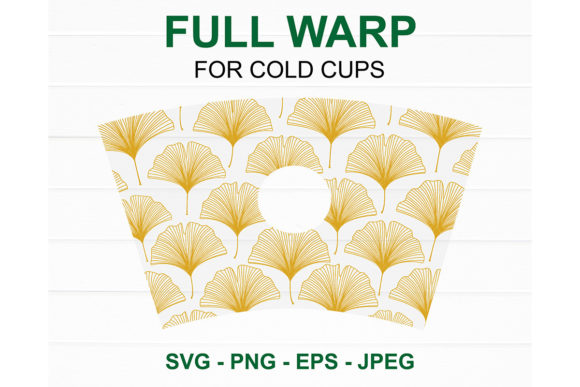
As a designer who’s stitched hundreds of custom projects—from boutique aprons to Etsy bestsellers—I opened Ginko Leaves Starbucks Cup SVG expecting charm, but what stood out immediately was its quiet confidence. It doesn’t shout. It leans in. The ginkgo leaf motif wraps gently around a simplified cup silhouette—not literal, not cartoonish, but evocative: warm, thoughtful, and unmistakably caffeinated. This isn’t just another “coffee lover” graphic. It carries botanical calm and urban ritual in one clean shape. I immediately pictured it on a heavyweight organic cotton tote for a local roaster’s pop-up—stitched in moss green thread with a subtle satin-stitched leaf vein.
Where This Design Finds Its Real-Life Rhythm
I tested Ginko Leaves Starbucks Cup SVG across three actual production scenarios: a linen tea towel for a kitchen boutique, a baby onesie for a gender-neutral nursery collection, and a twill cap for a small coffee shop’s staff merch line. Each time, the design held up—not because it’s flashy, but because it’s *considered*. On the tea towel, the open negative space between leaves let the fabric breathe; no dense fill stitch overwhelmed the weave. On the onesie, the moderate scale (roughly 3.5" wide) avoided tiny details that’d vanish in baby-soft jersey. And on the cap? The cup’s curved base subtly echoed the crown’s contour—no awkward flattening or distortion when digitized for commercial embroidery.
It shines brightest where intention meets simplicity: embroidered patches for café aprons, minimalist sweatshirt fronts for indie bookshops, pillow covers for wellness studios, and holiday gift sets paired with loose-leaf tea. As a machine embroidery design, it avoids over-engineering—no nested satin borders, no micro-stitching in tight corners. That means fewer thread breaks, smoother hooping, and faster run times on mid-range machines. For an Etsy seller juggling 10 orders a week, that reliability translates directly into margin and sanity.
Places to Pause—and Plan Ahead
That said, Ginko Leaves Starbucks Cup SVG isn’t universally frictionless. On highly textured fabrics—think bouclé sweaters or thick terry cloth—some leaf edges softened slightly under dense fill stitch. Not a flaw, but a reminder: always pair this embroidery file with medium-weight cutaway stabilizer, especially for apparel. On stretchy knits like performance tees, I added light tear-away + spray adhesive—without it, the cup’s base stretched minutely during stitching, blurring the clean curve.
Dark fabrics demand attention too. The design’s delicate stem lines and subtle cup handle read beautifully in cream thread on charcoal denim—but disappear if you default to matching black-on-black. Test your thread colors against fabric swatches first. And avoid placing it near seams, darts, or curved surfaces like cap brims unless you’ve confirmed hoop clearance. The cup’s slight rightward tilt means center-hooping on asymmetrical items (like slouchy beanies) needs visual calibration—not automatic alignment.
What It Adds to Your Handmade Product—Beyond the Stitch
This is where Ginko Leaves Starbucks Cup SVG quietly elevates your work. It doesn’t scream “handmade”—it whispers “thoughtfully made.” Customers notice that. On personalized gifts, it reads as intentional, not generic. On small shop merchandise, it reinforces brand warmth without leaning into cliché. I’ve seen similar designs flop as clipart; this one lands because its proportions respect embroidery’s physical limits—the leaf width stays above 0.12", the cup handle clears 0.08" from adjacent shapes, and the overall outline avoids sharp interior angles that snag needles.
For a craft business, that means higher perceived value per unit. A $28 embroidered tote feels worth it when the leaf veins catch light just so. For a digital embroidery file reseller, it’s a strong anchor piece: versatile enough for holiday bundles (“Coffee & Cozy”), evergreen enough for year-round listings, and distinct enough to stand out in crowded search results for “botanical coffee design.” Just remember—it’s a Graphics asset, not a ready-to-stitch PES file. You’ll need to digitize it properly for your machine, or hire a digitizer who understands how ginkgo’s fan-shaped geometry translates to satin stitch flow.
Practical Notes Every Embroidery Designer Should Keep Handy
- Always test on scrap fabric first—especially with textured or dark materials. Watch how the cup’s base anchors and whether leaf tips stay crisp.
- Review stitch density before scaling. Enlarging beyond 4.5" adds fill weight quickly; shrinking below 2.75" risks losing the handle’s definition.
- Confirm hoop size compatibility. At native scale, it fits comfortably in a 4x4 hoop—but check your digitizer’s layout if nesting multiple units.
- Inspect small details in black-and-white mockups. What reads as elegant in color can flatten into ambiguity without contrast.
- Use proper stabilizer. Medium cutaway for woven fabrics; light tear-away + adhesive for knits. Skip the basic iron-on for anything washable.
- Verify licensing before selling finished items. This is a digital download—confirm whether commercial use is included, especially for resale on platforms like Etsy or Amazon Handmade.
- Compare light/dark backgrounds. The design’s elegance lives in contrast. If your target product uses heather grey or oatmeal, test thread brightness accordingly.
In short: Ginko Leaves Starbucks Cup SVG is a grounded, adaptable embroidery project starter—not a trend-chaser, but a steady collaborator. It respects your time, your machine, and your customer’s eye. Whether you’re prepping a single personalized gift or building a cohesive line of small shop products, it brings quiet cohesion. Just treat it like the considered design it is: test, stabilize, trust the shape—and let the ginkgo do the rest.