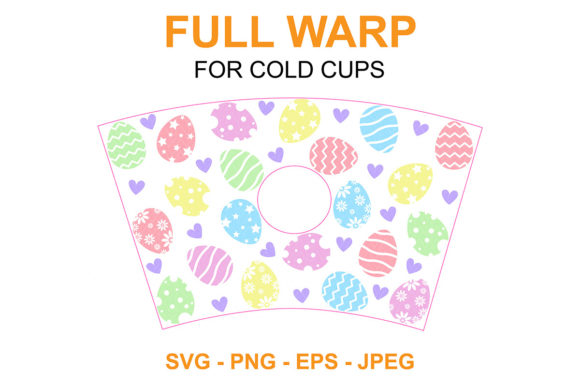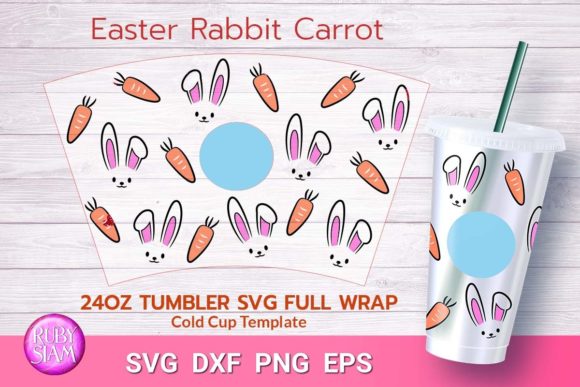
Easter Bunny, Easter Rabbit 24 Oz Cup
As a designer who’s stitched hundreds of holiday motifs—from delicate baby onesies to bold boutique tote bags—I opened the Easter Bunny, Easter Rabbit 24 Oz Cup file expecting something cheerful but generic. What I found was more intentional than most Easter SVGs: a clean, friendly rabbit face with subtle dimension, balanced negative space, and a shape that *breathes* on fabric—not just on screen.
I tested it first on a medium-weight cotton twill tote bag for a local gift shop’s spring launch. The design landed exactly where it should: centered, legible at 3.5", and expressive without being cutesy. That matters—because when you’re embroidering for real customers (not just mockups), personality has to translate through thread, not pixels. This rabbit carries warmth, not whimsy overload. It reads as handmade, not mass-produced.
A Design That Knows Its Surface
This isn’t a tumbler wrap pretending to be embroidery-ready—it’s a vector graphic built for flexibility, and that shows. The outlines are smooth, corners are gently rounded (no jagged anchor points that snag needles), and internal details—like the inner ear curve or the soft contour of the cheek—are simplified just enough to hold up in satin stitch without collapsing into mush.
For sweatshirt embroidery? It works. The fill areas aren’t overly dense, so it won’t stiffen fleece or create puckering on brushed cotton. For baby embroidery? Yes—but only above 3" height. Below that, the eye detail and whisker lines risk blurring unless you’re using high-density thread and ultra-fine stabilizer. I’d avoid it on newborn onesies under 2.5", but it shines on toddler bibs, pillow covers, and nursery tea towels.
On caps or curved surfaces? Proceed with caution. The design’s horizontal symmetry and flat profile mean it’ll sit cleanly on a front-panel cap *if* hooped precisely—but skip it for back-strap embroidery or low-profile trucker hats. There’s no built-in distortion correction, so manual digitizing tweaks would be needed for true 3D fit.
Where It Adds Real Value—And Where It Doesn’t
This Easter Bunny, Easter Rabbit 24 Oz Cup elevates a simple product instantly. On an unbleached linen apron? It feels artisanal. On a charcoal grey sweatshirt? It pops without shouting. That balance is rare—and valuable for Etsy sellers building cohesive seasonal collections. Customers notice when embroidery looks considered, not slapped on.
But let’s be honest: it’s not a workhorse for every surface. On dark fabric, contrast depends entirely on your thread choice—light ecru or ivory works better than stark white, which can look clinical. On textured fabrics like bouclé or heavy terry cloth? Reduce fill density by 10–15% in your embroidery software, or expect lost definition in the cheeks and ears. And if you’re planning layered garments—say, an embroidered patch sewn onto a corduroy jacket—test stitch the outline first. The current vector paths assume single-layer application.
It also doesn’t include applique instructions or alternate colorways. So if you’re planning a commercial embroidery run with multiple thread palettes (pastel vs. earth tone versions), you’ll need to adjust manually. No pre-built PANTONE references, no built-in underlay suggestions—just clean vectors. That’s fine for experienced digitizers, but beginners may need to add running stitch underlay themselves for stability on knits.
Practical Notes Every Embroidery Designer Should Check
- Test before committing: Run a sample on scrap fabric matching your final product’s weight and stretch. Especially for baby items or frequent-wash goods like kitchen towels.
- Stabilizer matters: Use medium-weight cutaway for knits, tear-away for stable wovens. Skip lightweight mesh—it won’t support the satin-stitch curves.
- Hoop size isn’t stated, but the design fits comfortably in a 4"x4" hoop at standard sizing. If you plan larger versions (5"+), verify stitch count doesn’t balloon—dense fills over 12,000 stitches can heat up home machines.
- Check small details in black-and-white mockups: Sometimes what looks crisp on screen vanishes in monochrome thread. The whiskers here hold up well—but always verify.
- Licensing is critical: Since this is sold as a digital embroidery file, confirm whether your intended use (e.g., selling embroidered tote bags on Etsy) falls under permitted commercial terms. Don’t assume “personal and commercial use” applies unless explicitly stated in the file description.
- Thread color contrast isn’t built in—so test light/dark combos early. A soft sage thread on cream linen reads calmer than neon yellow on black, even with the same design.
Fitting Into Your Craft Business—Realistically
If you sell personalized gifts, this Easter Bunny, Easter Rabbit 24 Oz Cup slots neatly into spring product lines: embroidered Easter baskets, custom baby blankets, boutique-style kitchen sets, or even small-batch patches for craft fairs. It’s not flashy—but that’s its strength. It supports your brand voice instead of overriding it.
For digital product sellers, it’s a solid foundation. You could easily adapt it into a coordinating set—add eggs, carrots, or floral accents—without clashing. As a standalone machine embroidery design, it’s versatile enough for beginner-friendly projects yet refined enough for premium listings.
What it won’t do: replace custom digitizing for complex textures, eliminate the need for fabric testing, or guarantee customer love without thoughtful presentation. But used with intention—paired with good thread, proper stabilizer, and smart placement—it delivers quiet professionalism. That’s what builds repeat buyers, not viral trends.
In short: this Easter Bunny, Easter Rabbit 24 Oz Cup isn’t just another holiday graphic. It’s a reliable, adaptable, quietly confident design asset—if you treat it like one.